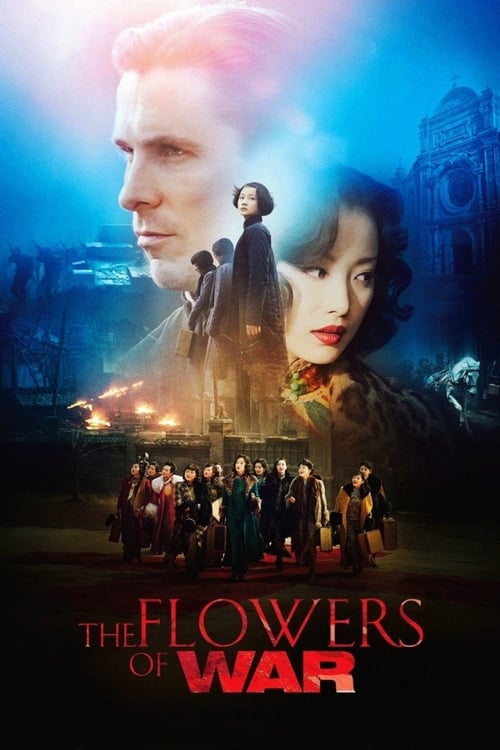
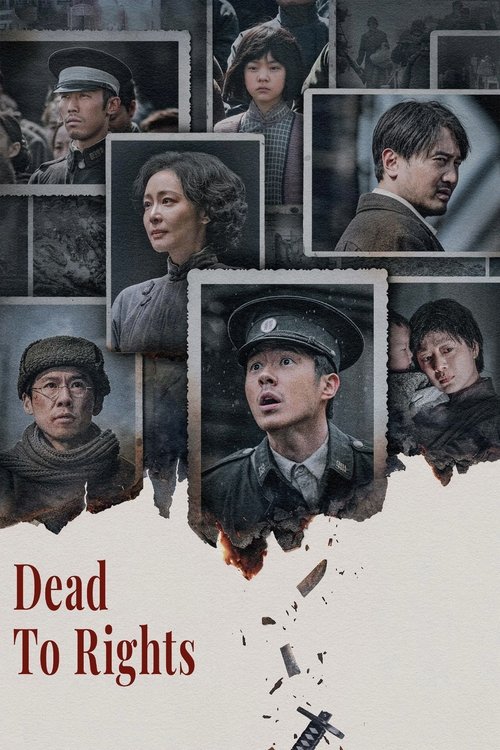
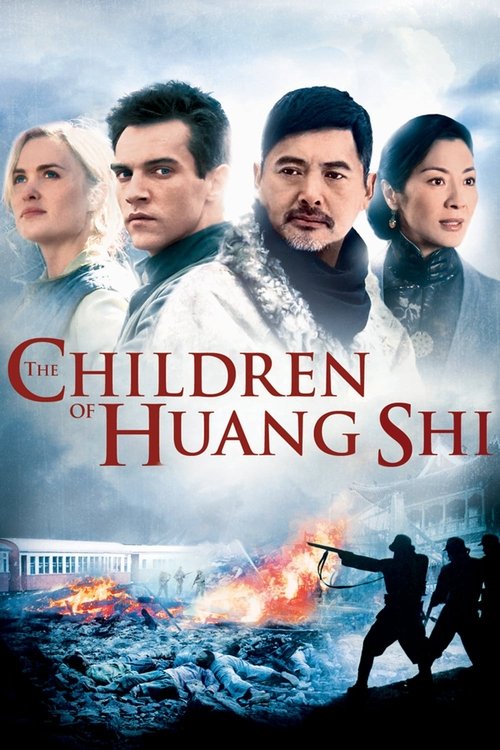
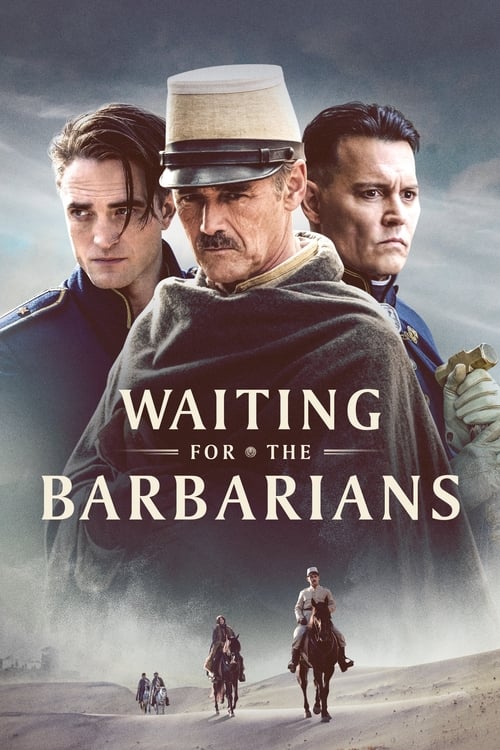
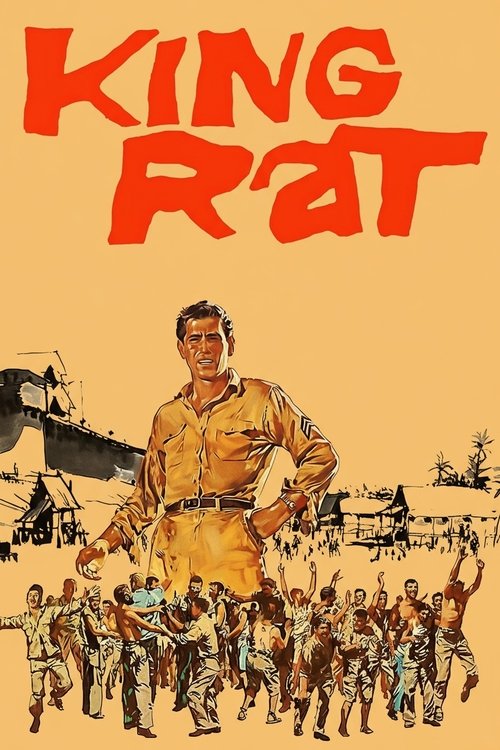
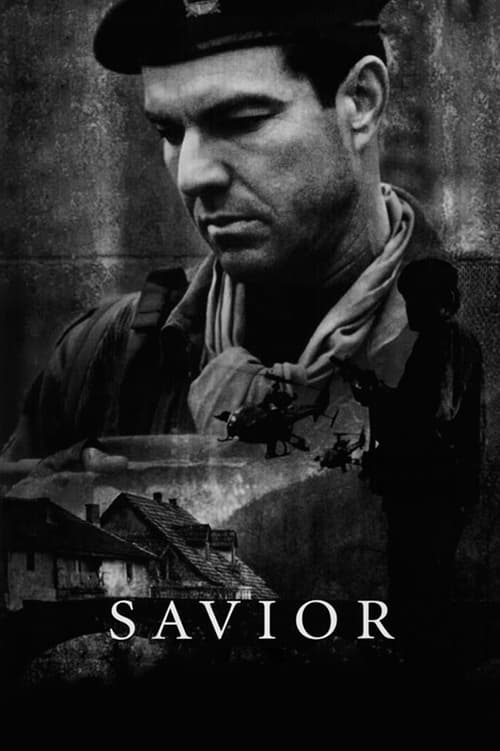
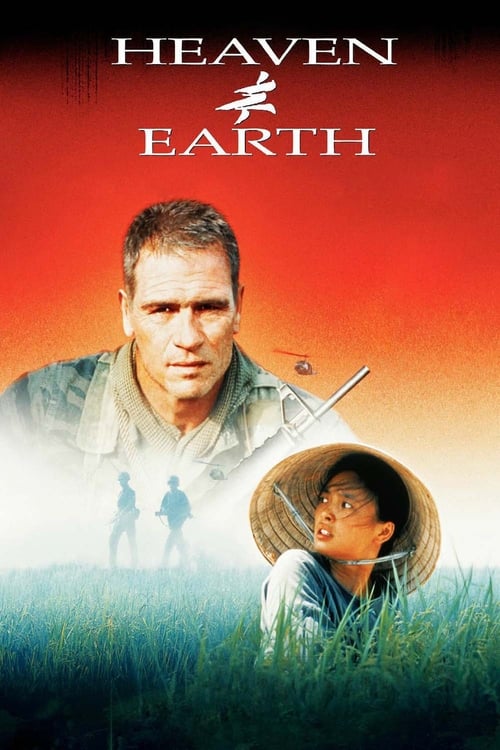
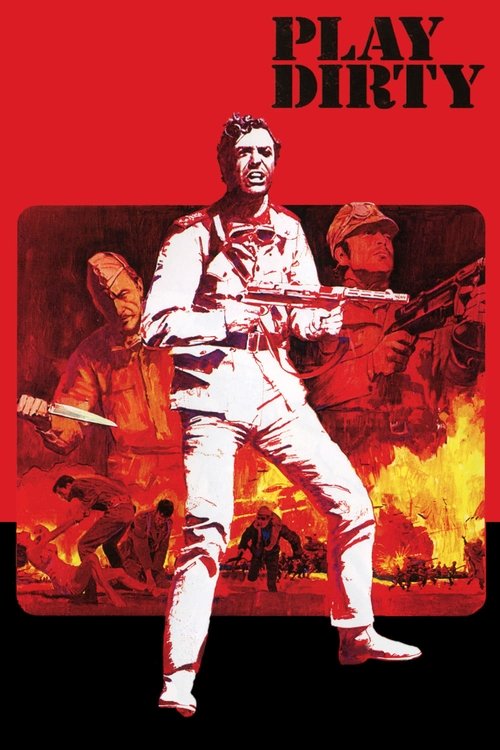
Analyzing structural pacing, thematic weight, and emotional resonance. If you enjoyed the storytelling of The Flowers of War (2011), these curated titles offer similar cinematic DNA.
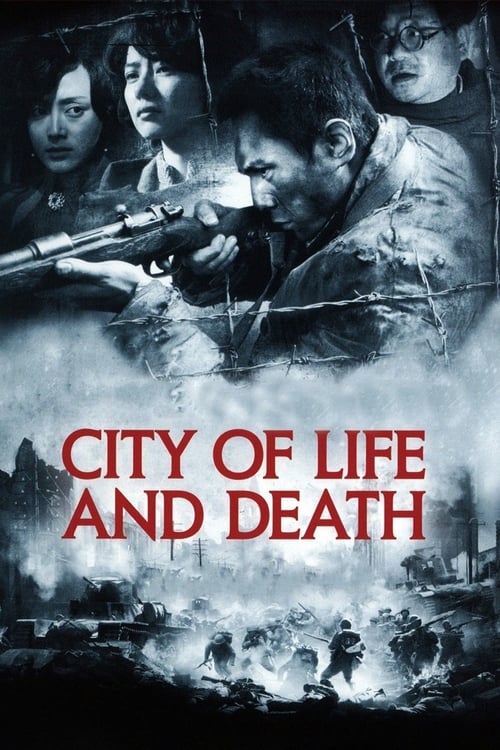
2009
In 1937, during the height of the Second Sino-Japanese War, the Imperial Japanese Army has just captured Nanjing, then-capital of the Republic of China. What followed was known as the Nanking Massacre, or the Rape of Nanking, a six week period wherein tens of thousands of Chinese soldiers and civilians were killed.
Finding genuine film parallels requires looking past basic genre tags like Drama, History, War. Our narrative engine cross-references rhythmic pacing velocity, psychological tension points, and ending impact profiles.
Whether through high-concept intellectual dilemmas, non-linear timelines, or character-driven stakes, each title highlighted above resonates with the specific structural DNA that defines The Flowers of War.