Synchronizing Reel Telemetry
Back to Tetro Intelligence
Benchmark Anchor
Best Movies Like Tetro
Analyzing structural pacing, thematic weight, and emotional resonance. If you enjoyed the storytelling of Tetro (2009), these curated titles offer similar cinematic DNA.
Algorithmic Matches (20)
Sorted by Affinity6.7
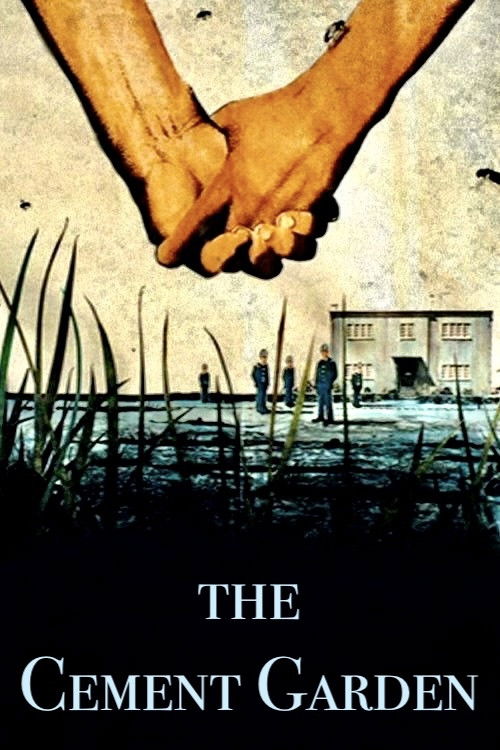
The Cement Garden
1993
After the death of her husband, the mother of Julie, Jack, Sue and Tom begins to suffer from a mysterious illness. Aware that she is going to have to go into hospital she opens a bank account for the children, so that they can be financially self-sufficient and will be able to avoid being taken into care by the authorities. Unfortunately she also dies and Julie and Jack (the older, teenage children) decide to hide her body in the basement so that they can have free reign of their household. Soon Tom has taken to dressing as a girl whilst Sue has become increasingly reticent, confiding only to her diary, meanwhile Jack and Julie sense an attraction developing for each other. However Julie's new beau, Derek, threatens to unearth the many dark secrets within this family as he becomes increasingly suspicious of Jack.
Thematic Breakdown
Why do these titles share cinematic affinity with Tetro?
Finding genuine film parallels requires looking past basic genre tags like Drama. Our narrative engine cross-references rhythmic pacing velocity, psychological tension points, and ending impact profiles.
Whether through high-concept intellectual dilemmas, non-linear timelines, or character-driven stakes, each title highlighted above resonates with the specific structural DNA that defines Tetro.