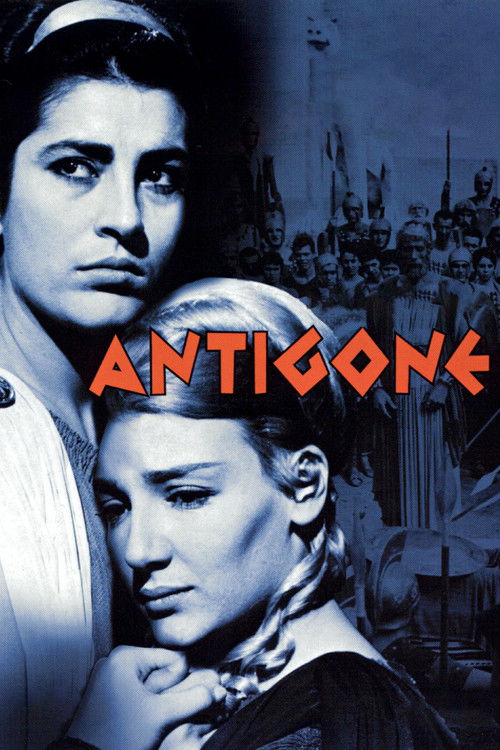
Antigone
Narrative Synopsis
In Thebes in ancient Greece, King Oedipus kills his father and marries his mother Jocasta, having two sons - Eteocles and Polyneices - and two daughters - Ismene and Antigone. King Oedipus dies a beggar in the exile after gouging out his own eye, and Eteocle agrees to reign in Thebes in alternating years with Polynices. However, he refuses to resign after the first year and Polynieces raises an army and attacks Thebes, and they kill each other. The ruler of Thebes Creon decrees that Eleocles should have an honorable burial while the body of the traitor Polyneices should be left on the battlefield to be eaten by the jackals and vultures. However, Antigone, who was betrothed to Creon's surviving son Haemon, defies Creon's orders and buries her brother. When Creon is reported of the attitude of Antigone, he sentences her to be placed in a tomb alive. Antigone hangs herself in the tomb and Haemon tries to kill his father first and then he kills himself with his sword...
Where to Stream


Streaming Availability & Discovery
Platform catalog indices and licensed providers for Antigone.
Narrative DNA Intelligence
Slow-Burn Atmospheric
8 / 10
Emotionally Piercing
Emotionally Grounded
Calculated narrative telemetry highlights notable thematic precision within History. With an established critical baseline of 7.6/10, the plot emphasizes slow-burn atmospheric pacing paired with an ending characterized by emotionally piercing.
Low
Engagement barrierStandard Rhythmic Build
Story velocityHigh (Layered Nuances)
Hidden layers"Maintain active attention during the pivotal turning points. The narrative progression hinges on subtle thematic cues established in the first two acts before converging in the climax."
Spoiler Vault: Ending Decryption
Classified Climax & Ambiguity Breakdown
Contains complete plot revelations, climax analysis, and hidden clues for Antigone. Proceed only if you have watched the finale.