Berlin Fever
Narrative Synopsis
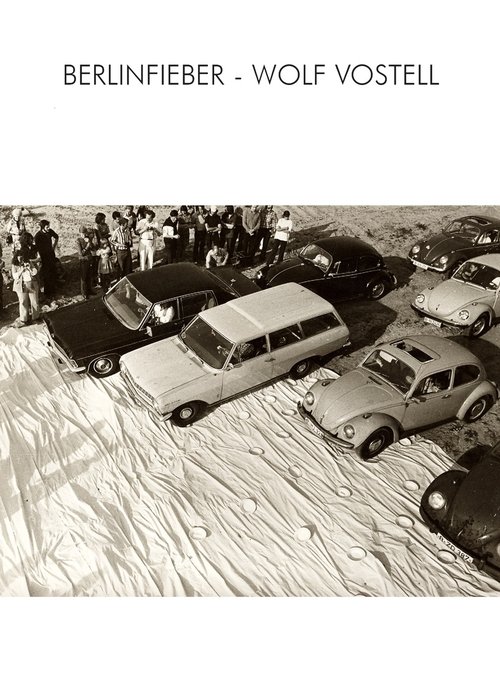
In 1973, Wolf Vostell, an artist associated with Fluxus, made a happening in which participants were required to perform a series of ritual, obsessive actions, such as “go to the trunk of your vehicle, there open and close the trunk 750 times and 375 times put a white plate in it and take it out 375 times.” Described by Ottinger as a documentation of what Vostell called “dé-coll/age-happening”, the film is an illustration of her creative method, a surrealist act, a separate work of art, and a strange object. She would later describe her method as “fragments of reality assembled in an unusual manner”.
Streaming Availability & Discovery
Platform catalog indices and licensed providers for Berlin Fever.
Narrative DNA Intelligence
Slow-Burn Atmospheric
7 / 10
Resonant Resolution
Cinematic Narrative
Calculated narrative telemetry highlights notable thematic precision within Documentary. With an established critical baseline of 7.0/10, the plot emphasizes slow-burn atmospheric pacing paired with an ending characterized by resonant resolution.
Low
Engagement barrierHigh-Velocity Acceleration
Story velocityHigh (Layered Nuances)
Hidden layers"Maintain active attention during the pivotal turning points. The narrative progression hinges on subtle thematic cues established in the first two acts before converging in the climax."
Spoiler Vault: Ending Decryption
Classified Climax & Ambiguity Breakdown
Contains complete plot revelations, climax analysis, and hidden clues for Berlin Fever. Proceed only if you have watched the finale.