Noire
Narrative Synopsis
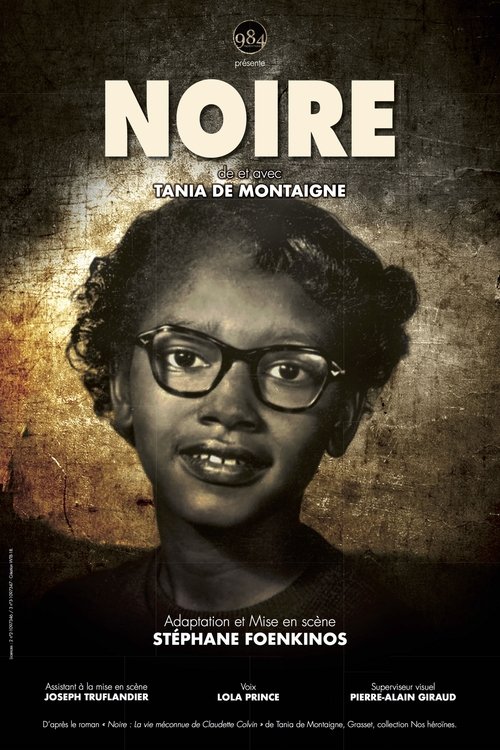
On March 2, 1955, like every day, Claudette Colvin, a 15-year-old black girl from Alabama, bought her ticket at the front of the bus, but had to get on the back. If the front is reserved for White, when they have no more room, Black must give up theirs, to the rear. It's the law. But that day, the teenager refuses to give way to a White. Claudette Colvin says no. Arrested, she pleaded not guilty and sued the city, a first. However, we will not make an example of it. We will wait for Rosa Parks, a lighter-skinned seamstress, who, nine months after Claudette, will make the same gesture, soon supported by the young Martin Luther King. History is on the move. Claudette Colvin allowed everything, but she is the one we have forgotten.
Streaming Availability & Discovery
Platform catalog indices and licensed providers for Noire.
Narrative DNA Intelligence
Slow-Burn Atmospheric
8 / 10
Emotionally Piercing
Emotionally Grounded
Calculated narrative telemetry highlights notable thematic precision within Drama. With an established critical baseline of 8.0/10, the plot emphasizes slow-burn atmospheric pacing paired with an ending characterized by emotionally piercing.
Low
Engagement barrierStandard Rhythmic Build
Story velocityHigh (Layered Nuances)
Hidden layers"Maintain active attention during the pivotal turning points. The narrative progression hinges on subtle thematic cues established in the first two acts before converging in the climax."
Spoiler Vault: Ending Decryption
Classified Climax & Ambiguity Breakdown
Contains complete plot revelations, climax analysis, and hidden clues for Noire. Proceed only if you have watched the finale.