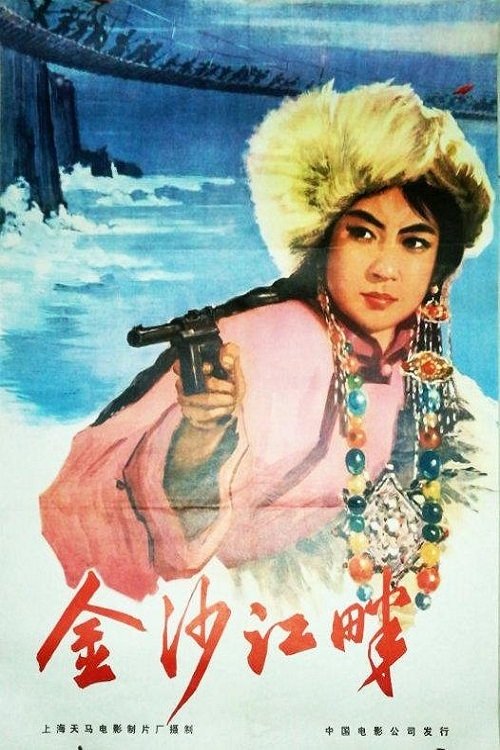
Along The Jinsha River
Narrative Synopsis
In 1936, the Long March of the Red Army passed through the Tibetan area by the Jinsha River. The Kuomintang colluded with the great local tyrant Qiu Wanli in an attempt to prevent the Red Army from crossing the river north. Qiu Wanli asks his minions to pretend to be the Red Army and rob the chieftain Sangge's only daughter Zhuma to provoke the relationship between the chieftain and the Red Army. The Red Army adhered to the party's ethnic policy, rescued Zhuma, and crossed the Jinsha River to the border of Tibetan areas. Qiu again sneaked into the Tibetan area. He said that Zhuma had been killed by the Red Army and provided ammunition and weapons for the chieftain to fight the Red Army. In order to expose the enemy's rumors, the Red Army instructor Jin Ming took a squad to escort Zhuma home.
Streaming Availability & Discovery
Platform catalog indices and licensed providers for Along The Jinsha River.
Narrative DNA Intelligence
Slow-Burn Atmospheric
9 / 10
Emotionally Piercing
Emotionally Grounded
Calculated narrative telemetry highlights notable thematic precision within Drama. With an established critical baseline of 9.0/10, the plot emphasizes slow-burn atmospheric pacing paired with an ending characterized by emotionally piercing.
Low
Engagement barrierStandard Rhythmic Build
Story velocityExceptional (Foreshadowing)
Hidden layers"Maintain active attention during the pivotal turning points. The narrative progression hinges on subtle thematic cues established in the first two acts before converging in the climax."
Spoiler Vault: Ending Decryption
Classified Climax & Ambiguity Breakdown
Contains complete plot revelations, climax analysis, and hidden clues for Along The Jinsha River. Proceed only if you have watched the finale.