Conjuring
"Before there was the stop trick, there was the magic trick"
Narrative Synopsis
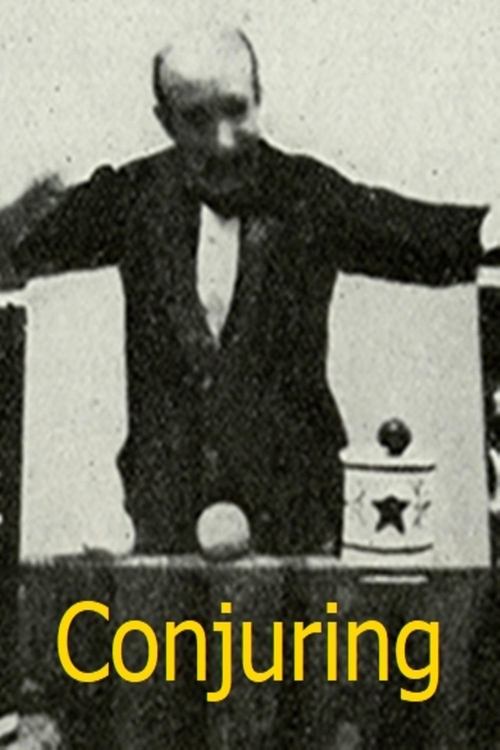
The film reproduces a magic act Méliès performed at his Paris theater-of-illusions, the Théâtre Robert-Houdin. Conjuring is notable as Méliès's second film, and as his first to move beyond the actuality film genre pioneered by the Lumière brothers and experiment with using the camera to capture a theatrical magic act. (Later in 1896, with his discovery of the substitution splice technique, Méliès was able to begin augmenting his theatrical illusions with new special effects unique to film.) Conjuring can thus be seen as Méliès's first foray into the world of fiction film. The film was released by Méliès's Star Film Company and numbered 2 in its catalogues.
Streaming Availability & Discovery
Platform catalog indices and licensed providers for Conjuring.
Narrative DNA Intelligence
Dynamic Narrative Flow
5 / 10
Resonant Resolution
Cinematic Narrative
Calculated narrative telemetry highlights notable thematic precision within Cinema. With an established critical baseline of 5.2/10, the plot emphasizes dynamic narrative flow pacing paired with an ending characterized by resonant resolution.
Moderate
Engagement barrierStandard Rhythmic Build
Story velocityModerate (Direct Narrative)
Hidden layers"Maintain active attention during the pivotal turning points. The narrative progression hinges on subtle thematic cues established in the first two acts before converging in the climax."
Spoiler Vault: Ending Decryption
Classified Climax & Ambiguity Breakdown
Contains complete plot revelations, climax analysis, and hidden clues for Conjuring. Proceed only if you have watched the finale.