Other, Like Me
Narrative Synopsis
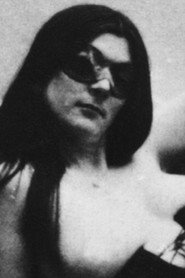
Hull, England, 1970. In a run-down commune in a tough port city, a group of social misfits - mostly working class, mostly self-educated - adopted new identities and began making simple street theater under the name COUM Transmissions. Their playful performances gradually gave way to work that dealt openly with sex, pornography, and violence. COUM lived on the edges of society, surviving on meager resources, finding fellowship with others marginalized by the mainstream. At the core of the group were two artists, Genesis P-Orridge and Cosey Fanni Tutti. As their work evolved, Cosey embarked on a career modeling for pornographic magazines, which she claimed for herself as a conceptual artwork, using it to forge a specific position in relationship to 1970s feminism. In performances, Genesis pushed himself to extremes, testing the limits of the human body.
Streaming Availability & Discovery
Platform catalog indices and licensed providers for Other, Like Me.
Narrative DNA Intelligence
Slow-Burn Atmospheric
5 / 10
Resonant Resolution
Cinematic Narrative
Calculated narrative telemetry highlights notable thematic precision within Documentary. With an established critical baseline of 4.7/10, the plot emphasizes slow-burn atmospheric pacing paired with an ending characterized by resonant resolution.
Moderate
Engagement barrierStandard Rhythmic Build
Story velocityModerate (Direct Narrative)
Hidden layers"Maintain active attention during the pivotal turning points. The narrative progression hinges on subtle thematic cues established in the first two acts before converging in the climax."
Spoiler Vault: Ending Decryption
Classified Climax & Ambiguity Breakdown
Contains complete plot revelations, climax analysis, and hidden clues for Other, Like Me. Proceed only if you have watched the finale.