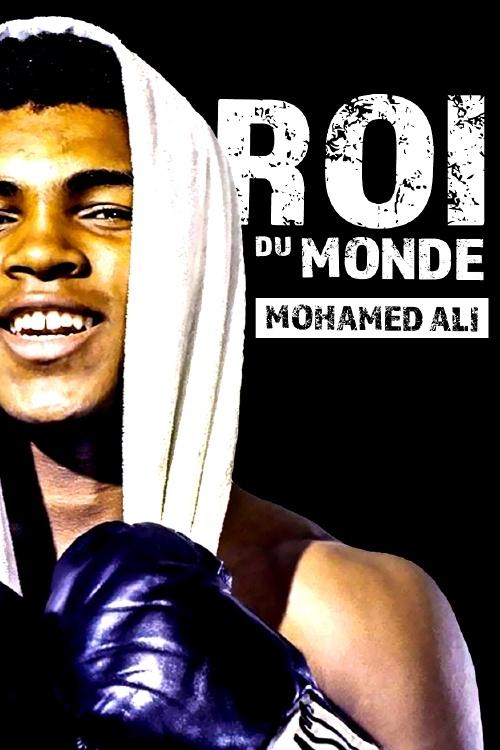
Muhammad Ali: King of the World
Narrative Synopsis
It is just possible that the made-for-TV biopic Muhammad Ali: King of the World was hastily pieced together to capitalize on the popular theatrical documentary When We Were Kings and the publicity attending the upcoming Will Smith movie vehicle Ali. Actually, the title of the TV film was something of a misnomer, since the story covers the formative days of Ali's career and fame, when he was still fighting under his given name Cassius Clay. Played by Terrence DaShon Howard, the young Clay slugs his way from poverty-stricken obscurity to the 1960 Olympics, garners both positive and negative publicity with his incessant self-worship and improvised rhymes, and proves that he is more than just talk when he defeats Sonny Liston (Steve Harris) in 1964. It is in fact at this point that the film draws to a close, with a few hints of what is to come manifested in an early meeting between the impressionable Clay and Islamic activist Malcolm X (Gary Dourdan).
Where to Stream

Streaming Availability & Discovery
Platform catalog indices and licensed providers for Muhammad Ali: King of the World.
Narrative DNA Intelligence
Slow-Burn Atmospheric
5 / 10
Emotionally Piercing
Emotionally Grounded
Calculated narrative telemetry highlights notable thematic precision within Drama. With an established critical baseline of 4.6/10, the plot emphasizes slow-burn atmospheric pacing paired with an ending characterized by emotionally piercing.
Moderate
Engagement barrierStandard Rhythmic Build
Story velocityModerate (Direct Narrative)
Hidden layers"Maintain active attention during the pivotal turning points. The narrative progression hinges on subtle thematic cues established in the first two acts before converging in the climax."
Spoiler Vault: Ending Decryption
Classified Climax & Ambiguity Breakdown
Contains complete plot revelations, climax analysis, and hidden clues for Muhammad Ali: King of the World. Proceed only if you have watched the finale.