Long March
Narrative Synopsis
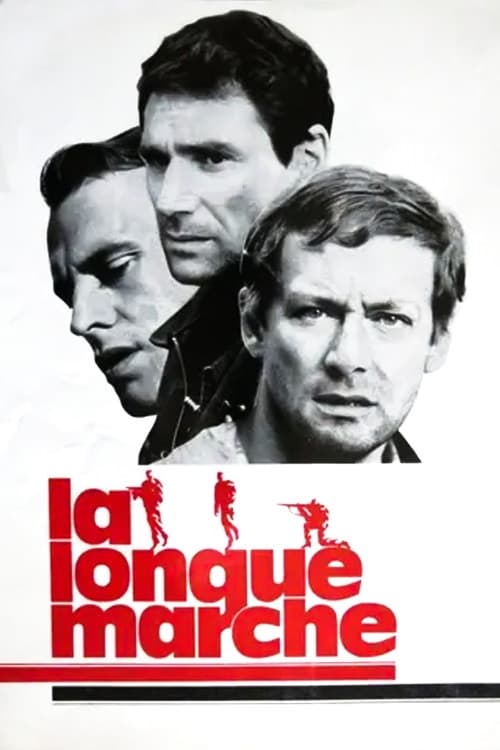
In June 1944, a young doctor, Chevalier, under the threat of guns, is forced to treat a wounded man in a camp of resistance fighters (maquisards). He recognizes the man, minister of the Third Republic, called Morel by his companions. Carnot, the chief of the maquisards, is suspicious of a doctor who expressly disapproves of the resistance and wants to have him shot as soon as he has treated Morel. Philippe, who is second in command, intervenes in favor of the Chevalier. Meanwhile, peasants denounce the maquisards to the Nazis and the camp is surrounded by the Germans. The camp is saved thanks to Philippe who takes command of the group. He decides to leave the shelter and they begin the long march through the Cévennes to rally maquisard Napoleon in the Vercors...
Streaming Availability & Discovery
Platform catalog indices and licensed providers for Long March.
Narrative DNA Intelligence
Slow-Burn Atmospheric
8 / 10
Emotionally Piercing
Emotionally Grounded
Calculated narrative telemetry highlights notable thematic precision within Drama. With an established critical baseline of 8.0/10, the plot emphasizes slow-burn atmospheric pacing paired with an ending characterized by emotionally piercing.
Low
Engagement barrierStandard Rhythmic Build
Story velocityHigh (Layered Nuances)
Hidden layers"Maintain active attention during the pivotal turning points. The narrative progression hinges on subtle thematic cues established in the first two acts before converging in the climax."
Spoiler Vault: Ending Decryption
Classified Climax & Ambiguity Breakdown
Contains complete plot revelations, climax analysis, and hidden clues for Long March. Proceed only if you have watched the finale.