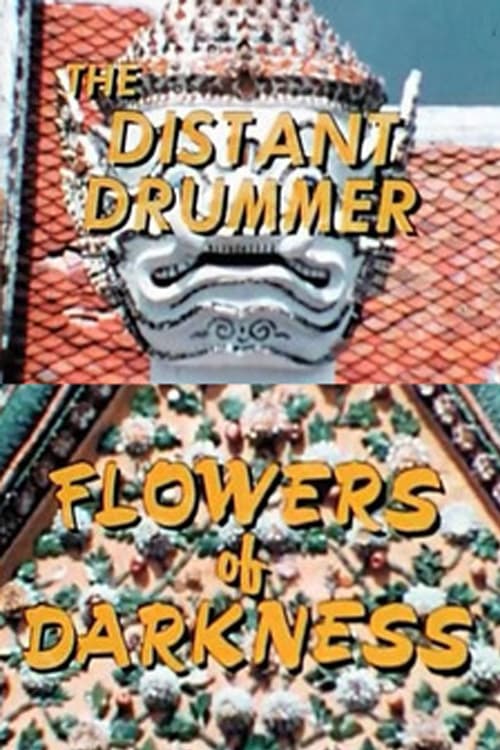
The Distant Drummer: Flowers of Darkness
Narrative Synopsis
The life of man is poor and nasty. A few plants give temporary relief: marijuana, alcohol, and opium. After a history of opium, including the 19th-century Opium Wars, we learn of the discovery of heroin; the rest of the film examines heroin trade and addiction in the U.S. Two tons a year enter the U.S., with only 100 pounds interdicted. Most is used in New York City. Interviews with customs officials, prosecutors, medical doctors and junkies provide points of view. The harsh 1956 law and the medically-oriented law of 1966 are contrasted, with the film on the side of treatment and rehabilitation. It ends with advocating reducing use here and finding other cash crops for farmers abroad.
Where to Stream

Streaming Availability & Discovery
Platform catalog indices and licensed providers for The Distant Drummer: Flowers of Darkness.
Narrative DNA Intelligence
Slow-Burn Atmospheric
5 / 10
Resonant Resolution
Cinematic Narrative
Calculated narrative telemetry highlights notable thematic precision within Documentary. With an established critical baseline of 4.7/10, the plot emphasizes slow-burn atmospheric pacing paired with an ending characterized by resonant resolution.
Moderate
Engagement barrierStandard Rhythmic Build
Story velocityModerate (Direct Narrative)
Hidden layers"Maintain active attention during the pivotal turning points. The narrative progression hinges on subtle thematic cues established in the first two acts before converging in the climax."
Spoiler Vault: Ending Decryption
Classified Climax & Ambiguity Breakdown
Contains complete plot revelations, climax analysis, and hidden clues for The Distant Drummer: Flowers of Darkness. Proceed only if you have watched the finale.