1867
Narrative Synopsis
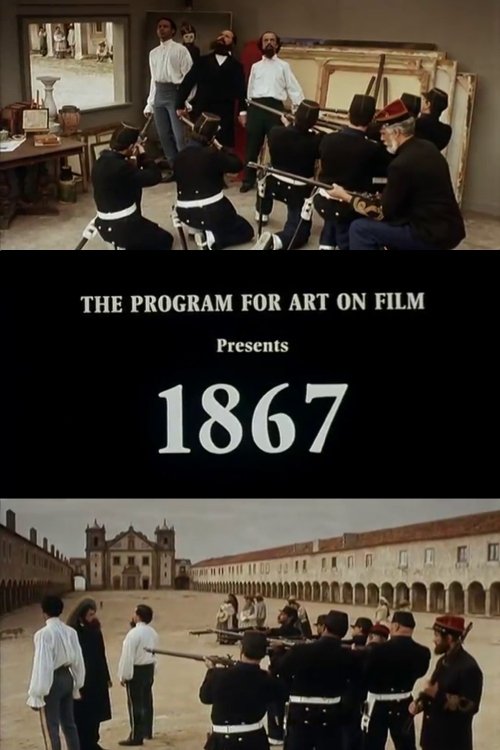
The French painter Edouard Manet painted four canvases depicting the execution in 1867 of Emperor Maximilian of Mexico. This short dramatic film evokes the artist's studio and the events of Maximilian's death, using a single, uninterrupted shot to present the artistic thought process through the eyes of the painter. The narration, written by the film's director, takes the form of an imagined interior monologue, presented in voice-over style in French and German with English subtitles. It alludes to the narrative, historical and visual texts that Manet drew upon to form his four versions of the painting.
Streaming Availability & Discovery
Platform catalog indices and licensed providers for 1867.
Narrative DNA Intelligence
Dynamic Narrative Flow
7 / 10
Resonant Resolution
Cinematic Narrative
Calculated narrative telemetry highlights notable thematic precision within Cinema. With an established critical baseline of 6.7/10, the plot emphasizes dynamic narrative flow pacing paired with an ending characterized by resonant resolution.
Low
Engagement barrierMethodical Slow-Burn
Story velocityHigh (Layered Nuances)
Hidden layers"Maintain active attention during the pivotal turning points. The narrative progression hinges on subtle thematic cues established in the first two acts before converging in the climax."
Spoiler Vault: Ending Decryption
Classified Climax & Ambiguity Breakdown
Contains complete plot revelations, climax analysis, and hidden clues for 1867. Proceed only if you have watched the finale.