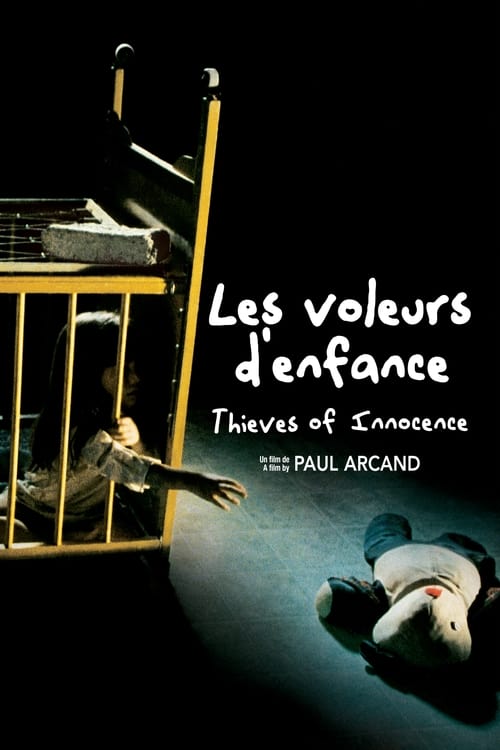
Thieves of Innocence
Narrative Synopsis
Every year in Quebec, 25,000 reports of children being beaten, sexually abused or abandoned are retained by the Directorate of Youth Protection. And nearly 40% of babies who die in the province to die because of the violence of their parents. This explains the fact that nearly 30,000 children are supported by the DPJ until the age of 18. But this government agency is in a position to meet the needs of young people? Journalist and documentary filmmaker Paul Arcand presents the testimonies of children and adult victims of abuse of all kinds, and interviews politicians, social workers and members of the judiciary on their perception of the problem. In addition, Arcand denounces the carelessness of a bureaucratic system that does not always seem to be concerned about the well-being of those for whom they are responsible.
Streaming Availability & Discovery
Platform catalog indices and licensed providers for Thieves of Innocence.
Narrative DNA Intelligence
Slow-Burn Atmospheric
7 / 10
Resonant Resolution
Cinematic Narrative
Calculated narrative telemetry highlights notable thematic precision within Documentary. With an established critical baseline of 7.0/10, the plot emphasizes slow-burn atmospheric pacing paired with an ending characterized by resonant resolution.
Low
Engagement barrierStandard Rhythmic Build
Story velocityHigh (Layered Nuances)
Hidden layers"Maintain active attention during the pivotal turning points. The narrative progression hinges on subtle thematic cues established in the first two acts before converging in the climax."
Spoiler Vault: Ending Decryption
Classified Climax & Ambiguity Breakdown
Contains complete plot revelations, climax analysis, and hidden clues for Thieves of Innocence. Proceed only if you have watched the finale.