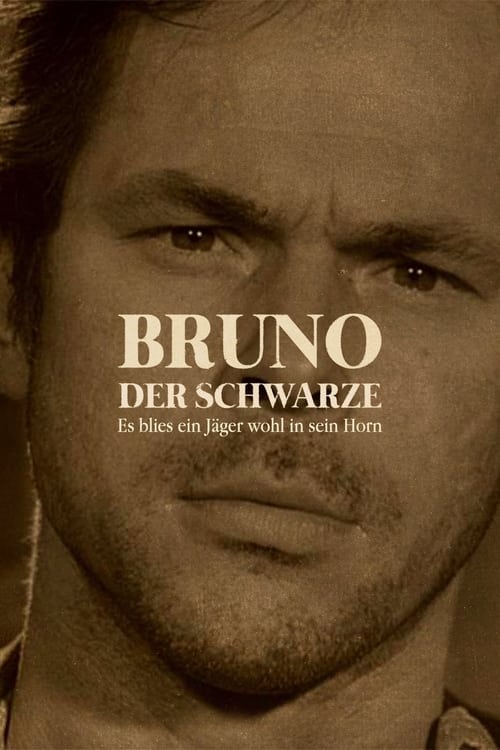
Bruno the Black - One Day a Hunter Blew His Horn
Narrative Synopsis
Lutz Eisholz’s first feature film was produced at West Berlin’s German Film and TV Academy. In an experimental documentary he portrays the working class outcast Bruno S., who prowls the city as a street musician, performing his own songs. The film unfolds Bruno’s story: abandoned by his mother as a child, he was maltreated in correctional institutions in Nazi Germany. On release after WWII he found work but started performing at the same time as a self-taught musician and poet. Although incapable of “normal” human bonding, he was still able to rejoice in life. When Werner Herzog saw this film he recognized Bruno’s potential and hired him to play starring roles in The Enigma of Kaspar Hauser (1974) and Stroszek (1977).
Streaming Availability & Discovery
Platform catalog indices and licensed providers for Bruno the Black - One Day a Hunter Blew His Horn.
Narrative DNA Intelligence
Slow-Burn Atmospheric
9 / 10
Resonant Resolution
Cinematic Narrative
Calculated narrative telemetry highlights notable thematic precision within Documentary. With an established critical baseline of 10.0/10, the plot emphasizes slow-burn atmospheric pacing paired with an ending characterized by resonant resolution.
Low
Engagement barrierStandard Rhythmic Build
Story velocityExceptional (Foreshadowing)
Hidden layers"Maintain active attention during the pivotal turning points. The narrative progression hinges on subtle thematic cues established in the first two acts before converging in the climax."
Spoiler Vault: Ending Decryption
Classified Climax & Ambiguity Breakdown
Contains complete plot revelations, climax analysis, and hidden clues for Bruno the Black - One Day a Hunter Blew His Horn. Proceed only if you have watched the finale.
