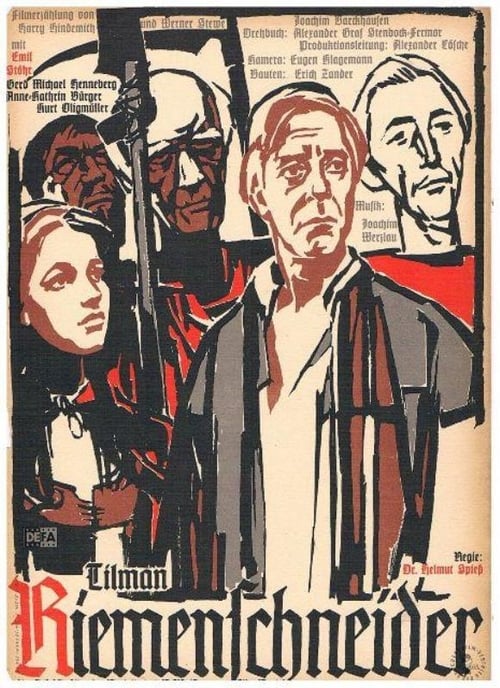
Tilman Riemenschneider
Narrative Synopsis
The important German wood sculptor Tilman Riemenschneider (born around 1460) is considered to be artistically and socially established. He was a councillor in Würzburg and held several offices. In his works and in the way he conducted his office, he showed himself to be connected to the common people, who revered him. But he also had a patron in the art-loving Prince-Bishop Konrad von Thüngen. But when the peasants' uprising spread to Würzburg in 1525, Riemenschneider stood up for the rights of the peasants and opposed the use of soldiers, Thüngen became his bitter opponent. Although he initially flees from the superior forces, he returns after the uprising has been suppressed and imprisons Riemenschneider. Weeks later, he is released from prison. His hands were broken, but not his steadfastness.
Streaming Availability & Discovery
Platform catalog indices and licensed providers for Tilman Riemenschneider.
Narrative DNA Intelligence
Slow-Burn Atmospheric
7 / 10
Emotionally Piercing
Emotionally Grounded
Calculated narrative telemetry highlights notable thematic precision within Drama. With an established critical baseline of 7.0/10, the plot emphasizes slow-burn atmospheric pacing paired with an ending characterized by emotionally piercing.
Low
Engagement barrierStandard Rhythmic Build
Story velocityHigh (Layered Nuances)
Hidden layers"Maintain active attention during the pivotal turning points. The narrative progression hinges on subtle thematic cues established in the first two acts before converging in the climax."
Spoiler Vault: Ending Decryption
Classified Climax & Ambiguity Breakdown
Contains complete plot revelations, climax analysis, and hidden clues for Tilman Riemenschneider. Proceed only if you have watched the finale.