Phalanstery
Narrative Synopsis
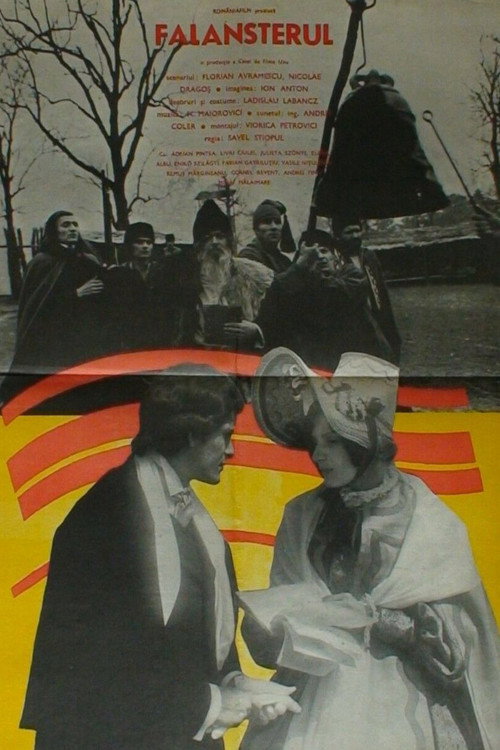
In the early 19th century the Romanian Theodor Diamant was inspired by the French utopian socialist Charles Fourier and established one of Fourier's "phalansteries" in Rumania. The film dramatizes the origins and demise of this effort, called the "Scaieni Phalanstery (the term is derived from "phalanx" and "monastery"). Among the socio-political commentary that is conveyed throughout, there is an important collusion between the army and the wealthy landowners of the time, and as the film points out in its own way, neither of these groups has ever been convicted of socialist/utopian tendencies.
Streaming Availability & Discovery
Platform catalog indices and licensed providers for Phalanstery.
Narrative DNA Intelligence
Slow-Burn Atmospheric
7 / 10
Emotionally Piercing
Emotionally Grounded
Calculated narrative telemetry highlights notable thematic precision within History. With an established critical baseline of 6.5/10, the plot emphasizes slow-burn atmospheric pacing paired with an ending characterized by emotionally piercing.
Low
Engagement barrierMethodical Slow-Burn
Story velocityHigh (Layered Nuances)
Hidden layers"Maintain active attention during the pivotal turning points. The narrative progression hinges on subtle thematic cues established in the first two acts before converging in the climax."
Spoiler Vault: Ending Decryption
Classified Climax & Ambiguity Breakdown
Contains complete plot revelations, climax analysis, and hidden clues for Phalanstery. Proceed only if you have watched the finale.