Uncle Howard
Narrative Synopsis
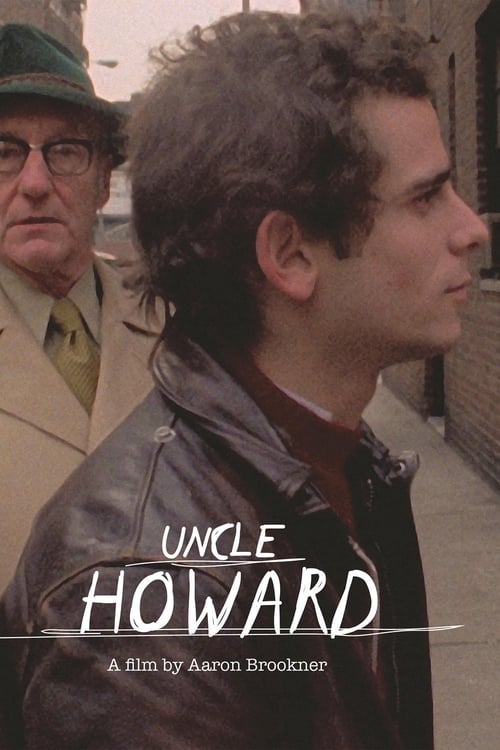
When Howard Brookner lost his life to AIDS in 1989, the 35-year-old director had completed two feature documentaries and was in post-production on his narrative debut, Bloodhounds of Broadway. Twenty-five years later, his nephew, Aaron, sets out on a quest to find the lost negative of Burroughs: The Movie, his uncle's critically-acclaimed portrait of legendary author William S. Burroughs. When Aaron uncovers Howard's extensive archive in Burroughs’ bunker, it not only revives the film for a new generation, but also opens a vibrant window on New York City’s creative culture from the 1970s and ‘80s, and inspires a wide-ranging exploration of his beloved uncle's legacy.
Where to Stream

Streaming Availability & Discovery
Platform catalog indices and licensed providers for Uncle Howard.
Narrative DNA Intelligence
Slow-Burn Atmospheric
7 / 10
Resonant Resolution
Cinematic Narrative
Calculated narrative telemetry highlights notable thematic precision within Documentary. With an established critical baseline of 6.6/10, the plot emphasizes slow-burn atmospheric pacing paired with an ending characterized by resonant resolution.
Low
Engagement barrierStandard Rhythmic Build
Story velocityHigh (Layered Nuances)
Hidden layers"Maintain active attention during the pivotal turning points. The narrative progression hinges on subtle thematic cues established in the first two acts before converging in the climax."
Spoiler Vault: Ending Decryption
Classified Climax & Ambiguity Breakdown
Contains complete plot revelations, climax analysis, and hidden clues for Uncle Howard. Proceed only if you have watched the finale.