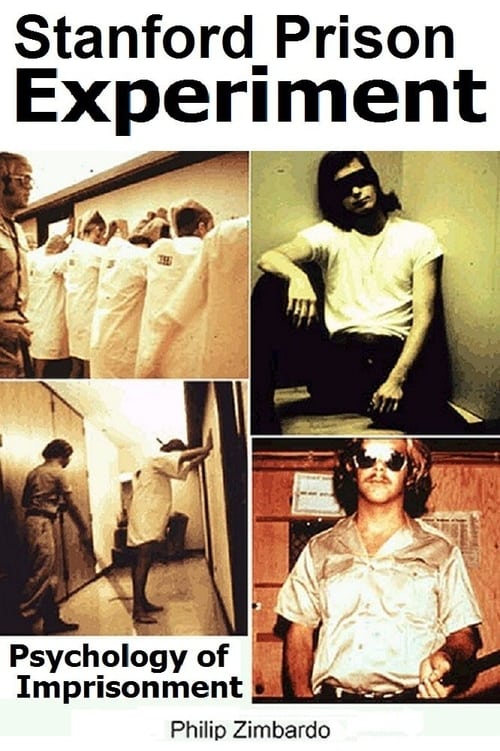
Stanford Prison Experiment: Psychology of Imprisonment
Narrative Synopsis
The Stanford prison experiment was a landmark psychological study of the human response to captivity, in particular, to the real world circumstances of prison life, and the effects of imposed social roles on behaviour. It was conducted in 1971 by a team of researchers led by Philip Zimbardo of Stanford University.
Streaming Availability & Discovery
Platform catalog indices and licensed providers for Stanford Prison Experiment: Psychology of Imprisonment.
Narrative DNA Intelligence
Slow-Burn Atmospheric
6 / 10
Resonant Resolution
Cinematic Narrative
Calculated narrative telemetry highlights notable thematic precision within Documentary. With an established critical baseline of 5.9/10, the plot emphasizes slow-burn atmospheric pacing paired with an ending characterized by resonant resolution.
Moderate
Engagement barrierStandard Rhythmic Build
Story velocityModerate (Direct Narrative)
Hidden layers"Maintain active attention during the pivotal turning points. The narrative progression hinges on subtle thematic cues established in the first two acts before converging in the climax."
Spoiler Vault: Ending Decryption
Classified Climax & Ambiguity Breakdown
Contains complete plot revelations, climax analysis, and hidden clues for Stanford Prison Experiment: Psychology of Imprisonment. Proceed only if you have watched the finale.