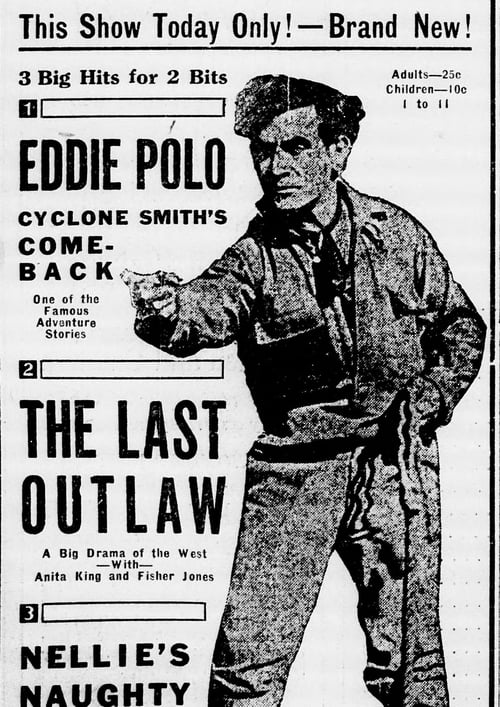
The Last Outlaw
Narrative Synopsis
The Last Outlaw (1919) proved very tantalizing. An end-of-the-West Western, it shows its grizzled hero revisiting the town of his youthful exploits. But now, in an anticipation of Ride the High Country (1962), civilization has taken over. Cars chase Bud off the streets and the theatre features movies (Universal Bluebirds at that, a bit of product placement). Ford heightens the contrast by letting us into the hero’s memory, introduced by the title: “Memories of the past flashing back to him”—the earliest reference to the term “flashback” I recall seeing in the movies.
Streaming Availability & Discovery
Platform catalog indices and licensed providers for The Last Outlaw.
Narrative DNA Intelligence
High-Octane Dynamic
7 / 10
Resonant Resolution
Cinematic Narrative
Calculated narrative telemetry highlights notable thematic precision within Western. With an established critical baseline of 7.1/10, the plot emphasizes high-octane dynamic pacing paired with an ending characterized by resonant resolution.
Low
Engagement barrierHigh-Velocity Acceleration
Story velocityHigh (Layered Nuances)
Hidden layers"Maintain active attention during the pivotal turning points. The narrative progression hinges on subtle thematic cues established in the first two acts before converging in the climax."
Spoiler Vault: Ending Decryption
Classified Climax & Ambiguity Breakdown
Contains complete plot revelations, climax analysis, and hidden clues for The Last Outlaw. Proceed only if you have watched the finale.