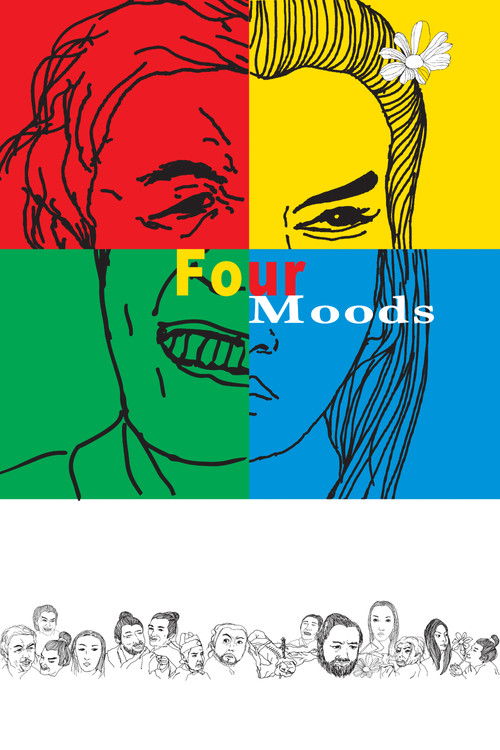
Four Moods
Narrative Synopsis
Directed by some of most well known Chinese-language directors of the time, the portmanteau film Four Moods was an attempt to alleviate Li Han-hsiang’s financial troubles during the late 1960s. Arguably one of his best works, King Hu’s short Anger is an adaptation of the famous Peking opera San Cha Kou; set to opera instrumentation and stylishly shot, the film deftly captures the tense showdown between political schemers, avengers and vagabonds inside an inn. Li Han-hsiang’s Happiness, inspired by the Strange Tales of Liaozhai, tells a tale of reprieve for a kind-hearted ghost, while Pai Ching-Jui’s Joy and Lee Hsing’s Sadness both explore the fateful encounters between mortal men and ghostly women.
Where to Stream

Streaming Availability & Discovery
Platform catalog indices and licensed providers for Four Moods.
Narrative DNA Intelligence
Slow-Burn Atmospheric
7 / 10
Emotionally Piercing
Intimate & Heartfelt
Calculated narrative telemetry highlights notable thematic precision within Drama. With an established critical baseline of 6.8/10, the plot emphasizes slow-burn atmospheric pacing paired with an ending characterized by emotionally piercing.
Low
Engagement barrierStandard Rhythmic Build
Story velocityHigh (Layered Nuances)
Hidden layers"Maintain active attention during the pivotal turning points. The narrative progression hinges on subtle thematic cues established in the first two acts before converging in the climax."
Spoiler Vault: Ending Decryption
Classified Climax & Ambiguity Breakdown
Contains complete plot revelations, climax analysis, and hidden clues for Four Moods. Proceed only if you have watched the finale.