Miracle
Narrative Synopsis
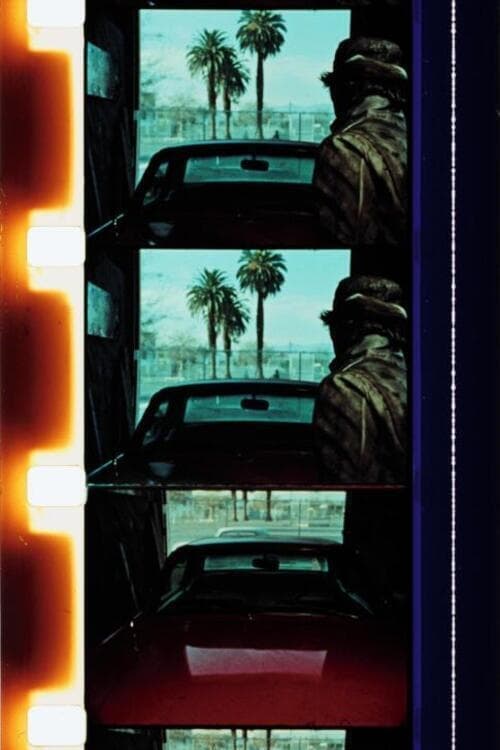
Los Angeles-based artist Ed Ruscha’s 1975 short film Miracle centers on a day in the life of an auto mechanic (played by artist Jim Ganzer), who has a transformative experience while working on the engine of a Ford Mustang. Actress and singer Michelle Phillips of the Mamas and the Papas plays his love interest. Since the 1960s, Ruscha has received extensive critical acclaim for his paintings, photographs, drawings, and books exploring the commercial vernacular of Los Angeles—its graphic signage, architecture, and even parking lots. In effect, his work subtly comments on America’s cultural and socioeconomic evolution in the twentieth and twenty-first centuries. Miracle is one of only two films made by the artist in the 1970s. – Contemporary Art Museum St. Louis by Kelly Shindler, Associate Curator
Streaming Availability & Discovery
Platform catalog indices and licensed providers for Miracle.
Narrative DNA Intelligence
Brisk & Engaging
8 / 10
Uplifting Closure
Cinematic Narrative
Calculated narrative telemetry highlights notable thematic precision within Comedy. With an established critical baseline of 8.0/10, the plot emphasizes brisk & engaging pacing paired with an ending characterized by uplifting closure.
Low
Engagement barrierStandard Rhythmic Build
Story velocityHigh (Layered Nuances)
Hidden layers"Maintain active attention during the pivotal turning points. The narrative progression hinges on subtle thematic cues established in the first two acts before converging in the climax."
Spoiler Vault: Ending Decryption
Classified Climax & Ambiguity Breakdown
Contains complete plot revelations, climax analysis, and hidden clues for Miracle. Proceed only if you have watched the finale.