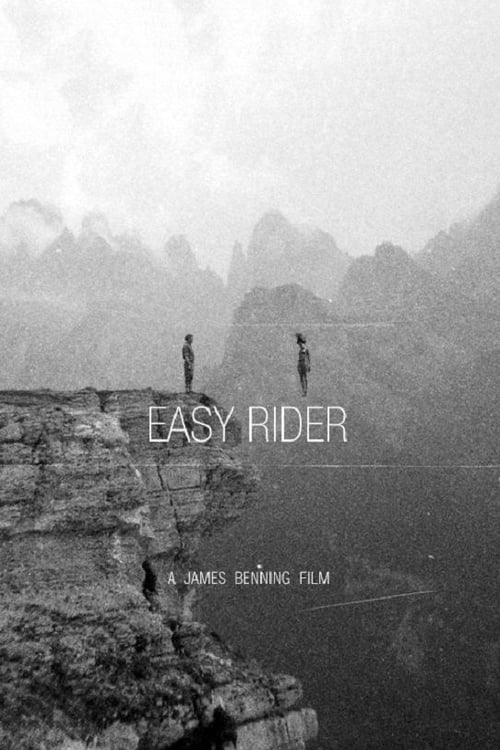
Easy Rider
Narrative Synopsis
'After doing a re-make of John Cassevetes’ "Faces" [1968], I decided to re-make another American classic, Dennis Hopper’s "Easy Rider" [1969]. "Easy Rider" interests me in two ways: its portrayal of 60’s counterculture – unlike "Faces" which for me is more about the 50’s – and its search for place. I divided the original film into scenes (like I did with "Faces") and then replaced each scene with one shot filmed at the original location (unlike "Faces" where shots were gleaned from the original film itself). My "Easy Rider" tries to find today’s counter-culture (if one exists) by replacing the 60’s music with music that I listen to today.' ~ James Benning
Streaming Availability & Discovery
Platform catalog indices and licensed providers for Easy Rider.
Narrative DNA Intelligence
Slow-Burn Atmospheric
7 / 10
Resonant Resolution
Cinematic Narrative
Calculated narrative telemetry highlights notable thematic precision within Documentary. With an established critical baseline of 6.8/10, the plot emphasizes slow-burn atmospheric pacing paired with an ending characterized by resonant resolution.
Low
Engagement barrierStandard Rhythmic Build
Story velocityHigh (Layered Nuances)
Hidden layers"Maintain active attention during the pivotal turning points. The narrative progression hinges on subtle thematic cues established in the first two acts before converging in the climax."
Spoiler Vault: Ending Decryption
Classified Climax & Ambiguity Breakdown
Contains complete plot revelations, climax analysis, and hidden clues for Easy Rider. Proceed only if you have watched the finale.