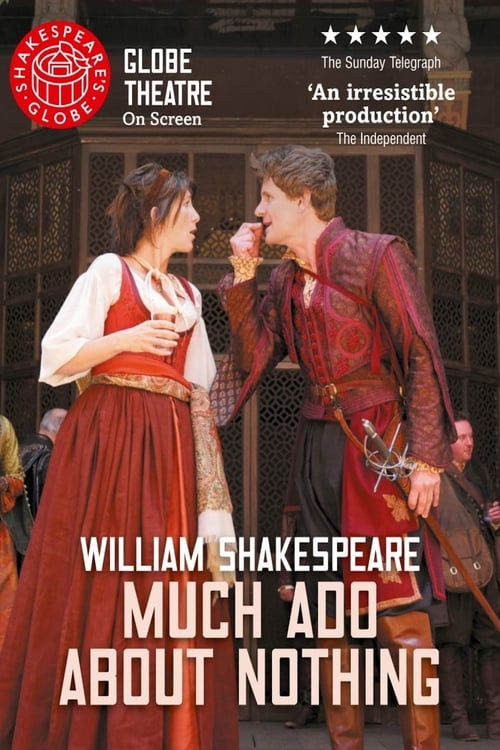
Much Ado About Nothing - Live at Shakespeare's Globe
Narrative Synopsis
Much Ado About Nothing is a comedic play by William Shakespeare thought to have been written in 1598 and 1599, as Shakespeare was approaching the middle of his career. The play was included in the First Folio, published in 1623. Much Ado About Nothing is generally considered one of Shakespeare’s best comedies, because it combines elements of robust hilarity with more serious meditations on honor, shame, and court politics. Like As You Like It and Twelfth Night, Much Ado About Nothing, though interspersed with darker concerns, is a joyful comedy that ends with multiple marriages and no deaths. Also known as "Globe on Screen: Much Ado About Nothing".
Streaming Availability & Discovery
Platform catalog indices and licensed providers for Much Ado About Nothing - Live at Shakespeare's Globe.
Narrative DNA Intelligence
Slow-Burn Atmospheric
8 / 10
Uplifting Closure
Emotionally Grounded
Calculated narrative telemetry highlights notable thematic precision within Comedy. With an established critical baseline of 8.0/10, the plot emphasizes slow-burn atmospheric pacing paired with an ending characterized by uplifting closure.
Low
Engagement barrierStandard Rhythmic Build
Story velocityHigh (Layered Nuances)
Hidden layers"Maintain active attention during the pivotal turning points. The narrative progression hinges on subtle thematic cues established in the first two acts before converging in the climax."
Spoiler Vault: Ending Decryption
Classified Climax & Ambiguity Breakdown
Contains complete plot revelations, climax analysis, and hidden clues for Much Ado About Nothing - Live at Shakespeare's Globe. Proceed only if you have watched the finale.