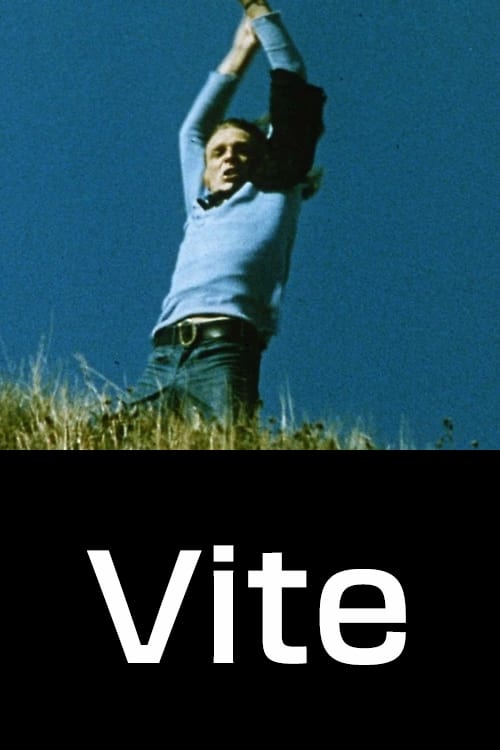
Vite
Narrative Synopsis
In 1969, the painter-sculptor Daniel Pommereulle made his third film, this one financed by Sylvina Boissonnas. Although only a short, Vite was one of the most costly of all the Zanzibar productions. It features, for instance, shots of the moon taken by a state-of-the-art telescope, the Questar, that Pommereulle first saw while visiting Marlon Brando in southern California in 1968. In Rohmer’s La Collectionneuse, Pommereulle and his friend Adrien philosophize on how best to achieve le vide (emptiness) during their summer holidays. Three years later, Pommereulle would transform the word “vide” to “vite” (quickly), signifying his profound disenchantment with the aftermath of the revolution of May ’68. —Harvard Film Archive
Streaming Availability & Discovery
Platform catalog indices and licensed providers for Vite.
Narrative DNA Intelligence
Slow-Burn Atmospheric
5 / 10
Emotionally Piercing
Emotionally Grounded
Calculated narrative telemetry highlights notable thematic precision within Drama. With an established critical baseline of 4.0/10, the plot emphasizes slow-burn atmospheric pacing paired with an ending characterized by emotionally piercing.
Moderate
Engagement barrierStandard Rhythmic Build
Story velocityModerate (Direct Narrative)
Hidden layers"Maintain active attention during the pivotal turning points. The narrative progression hinges on subtle thematic cues established in the first two acts before converging in the climax."
Spoiler Vault: Ending Decryption
Classified Climax & Ambiguity Breakdown
Contains complete plot revelations, climax analysis, and hidden clues for Vite. Proceed only if you have watched the finale.