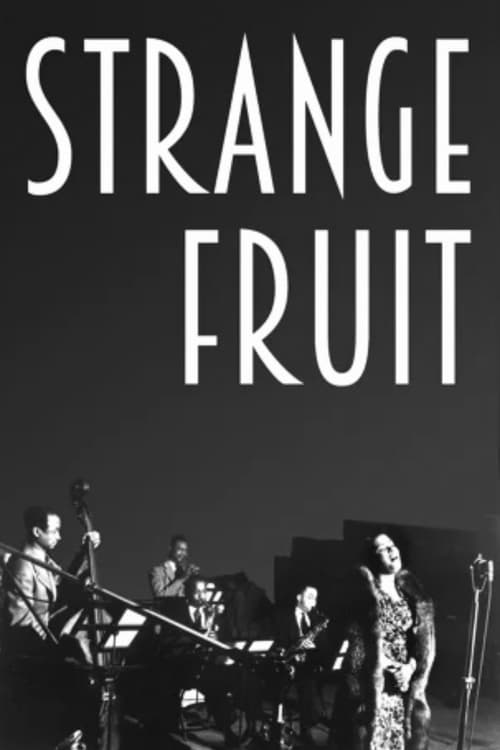
Strange Fruit
Narrative Synopsis
In 1937, after seeing a photo depicting the lynching of a black man in the south, Bronx-born high school teacher Abel Meeropol wrote a poem entitled "Strange Fruit" that begins with the words: "Southern trees bear a strange fruit / Blood on the leaves and blood at the root." He set the poem to music and a few years later convinced Billy holiday to record it in a legendary heartbreaking performance. Intertwining jazz genealogy, biography, performance footage, and the history of lynching, director Joel Katz fashions a fascinating discovery of the lost story behind a true American classic. Written by Excerpted from Coolidge Corner Theatre Program Update
Streaming Availability & Discovery
Platform catalog indices and licensed providers for Strange Fruit.
Narrative DNA Intelligence
Slow-Burn Atmospheric
9 / 10
Resonant Resolution
Cinematic Narrative
Calculated narrative telemetry highlights notable thematic precision within Music. With an established critical baseline of 9.0/10, the plot emphasizes slow-burn atmospheric pacing paired with an ending characterized by resonant resolution.
Low
Engagement barrierStandard Rhythmic Build
Story velocityExceptional (Foreshadowing)
Hidden layers"Maintain active attention during the pivotal turning points. The narrative progression hinges on subtle thematic cues established in the first two acts before converging in the climax."
Spoiler Vault: Ending Decryption
Classified Climax & Ambiguity Breakdown
Contains complete plot revelations, climax analysis, and hidden clues for Strange Fruit. Proceed only if you have watched the finale.