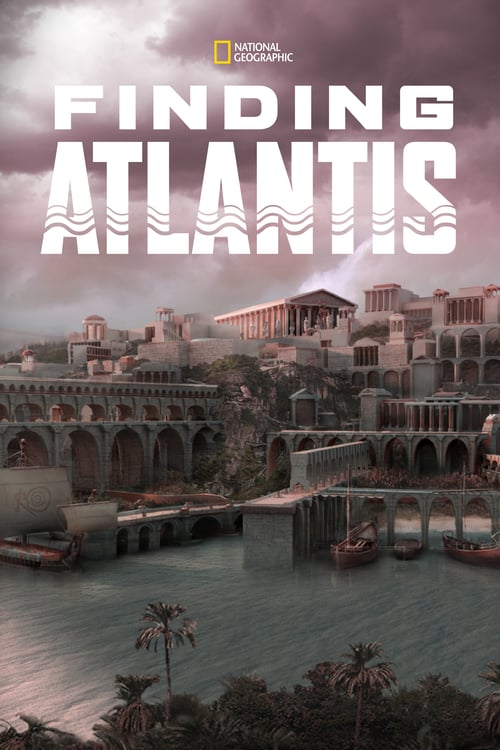
Finding Atlantis
"Could the fabled lost city of Atlantis have been located?"
Narrative Synopsis
Using satellite photography, ground-penetrating radar and underwater technology, The film, Finding Atlantis, was screened by the National Geographic Channel in the US and fronted by Professor Richard Freund, from Hartford University in Connecticut. Professor Freund explained how he led a pursuit to find the lost civilisation, believed by many to be an ancient Greek myth, by using deep-ground radar, digital mapping and satellite imagery. He contends that Atlantis, described by Plato in 360BC, in Spain's Donaña National Park, north of Cadiz, and was wiped out by a giant tsunami. Plato wrote it had been destroyed by a natural disaster in 9,000BC. Experts are now surveying marshlands in Spain to look for proof of the ancient city.
Where to Stream

Streaming Availability & Discovery
Platform catalog indices and licensed providers for Finding Atlantis.
Narrative DNA Intelligence
Slow-Burn Atmospheric
7 / 10
Resonant Resolution
Cinematic Narrative
Calculated narrative telemetry highlights notable thematic precision within Documentary. With an established critical baseline of 7.0/10, the plot emphasizes slow-burn atmospheric pacing paired with an ending characterized by resonant resolution.
Low
Engagement barrierStandard Rhythmic Build
Story velocityHigh (Layered Nuances)
Hidden layers"Maintain active attention during the pivotal turning points. The narrative progression hinges on subtle thematic cues established in the first two acts before converging in the climax."
Spoiler Vault: Ending Decryption
Classified Climax & Ambiguity Breakdown
Contains complete plot revelations, climax analysis, and hidden clues for Finding Atlantis. Proceed only if you have watched the finale.