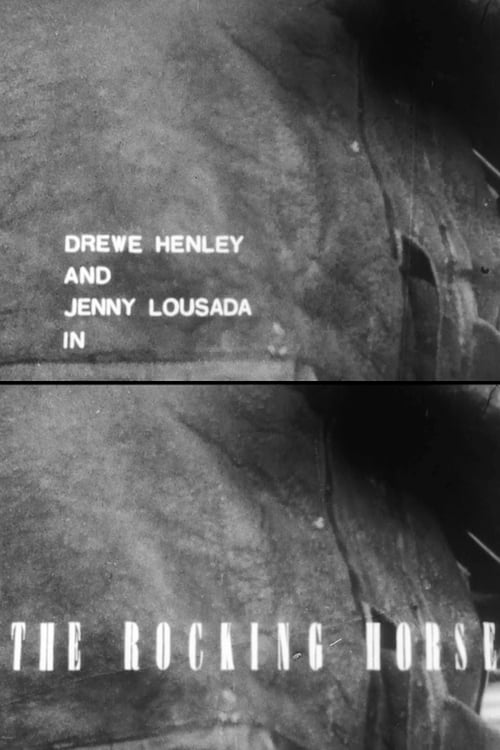
The Rocking Horse
Narrative Synopsis
A chance love affair between a teddy boy and a painter, set in early 1960's London. This was a student film made with the assistance of a BFI grant and its influences include the British Free Cinema movement, John Cassavetes' Shadows (1959) and, for the love scene, Alain Resnais's Hiroshima Mon Amour (France, 1959). The film's young hero is a cross between James Dean's troubled teenager in Rebel Without a Cause (US, 1955) and Albert Finney's defiant mechanic in Saturday Night and Sunday Morning (d. Karel Reisz, 1960). Initially portrayed as a self-assured, arrogant and immature teenager, his chance meeting with a pretty, sophisticated middle-class artist reveals a more insecure, fragile side. The climactic love-making scene earned Scott the first X certificate given to an amateur filmmaker. This short film is an extra on the BFI Flipside DVD The Pleasure Girls.
Streaming Availability & Discovery
Platform catalog indices and licensed providers for The Rocking Horse.
Narrative DNA Intelligence
Dynamic Narrative Flow
5 / 10
Resonant Resolution
Intimate & Heartfelt
Calculated narrative telemetry highlights notable thematic precision within Romance. With an established critical baseline of 5.0/10, the plot emphasizes dynamic narrative flow pacing paired with an ending characterized by resonant resolution.
Moderate
Engagement barrierStandard Rhythmic Build
Story velocityModerate (Direct Narrative)
Hidden layers"Maintain active attention during the pivotal turning points. The narrative progression hinges on subtle thematic cues established in the first two acts before converging in the climax."
Spoiler Vault: Ending Decryption
Classified Climax & Ambiguity Breakdown
Contains complete plot revelations, climax analysis, and hidden clues for The Rocking Horse. Proceed only if you have watched the finale.