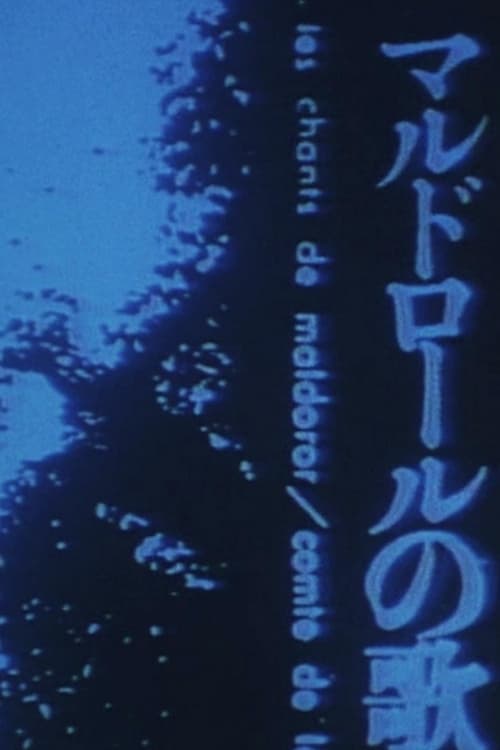
Les chants de Maldoror
Narrative Synopsis
A “reading film” of delirious image and text, Les chants de Maldoror takes its title and inspiration from Comte de Lautréamont’s 1869 proto-Surrealist poetic novel which, for instance, describes beauty as the chance encounter of a sewing machine and an umbrella on an operating table. In the novel’s six cantos, a young misanthrope indulges in depraved and destructive acts. Unexpected encounters abound, with turtles and birds joining Terayama’s regular cast of snails and dogs to wander over books and bare torsos. Feverish video processing posterizes, inverts and overlays images that are further colored by sound—pushing the limits of his literary adaptation. Terayama wrote that the only tombstone he wanted was his words, but, as Les chants de Maldoror demonstrates, words need not be confined to carved monuments or bound hardcopies.
Streaming Availability & Discovery
Platform catalog indices and licensed providers for Les chants de Maldoror.
Narrative DNA Intelligence
Dynamic Narrative Flow
6 / 10
Resonant Resolution
Cinematic Narrative
Calculated narrative telemetry highlights notable thematic precision within Fantasy. With an established critical baseline of 6.4/10, the plot emphasizes dynamic narrative flow pacing paired with an ending characterized by resonant resolution.
Low
Engagement barrierStandard Rhythmic Build
Story velocityHigh (Layered Nuances)
Hidden layers"Maintain active attention during the pivotal turning points. The narrative progression hinges on subtle thematic cues established in the first two acts before converging in the climax."
Spoiler Vault: Ending Decryption
Classified Climax & Ambiguity Breakdown
Contains complete plot revelations, climax analysis, and hidden clues for Les chants de Maldoror. Proceed only if you have watched the finale.