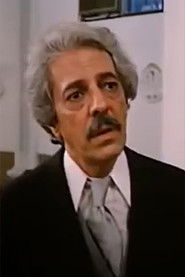
Hunger for Love
Narrative Synopsis
An extended research tour of US university film programs introduced dos Santos to the American avant-garde filmmakers, among them Jonas Mekas and Stan Brakhage, who would directly inspire his formally radical adaptation of an allegorical short story about adultery and colonialism by Guilherme de Figueiredo. Filmed in both Manhattan and Brazil and set against the background of the Vietnam War and its protests, Hunger for Love uses a rigorously abstract soundtrack and narrative structure to evoke the acute paranoia of the period building up to the December 1968 military coup that tipped Brazil perilously close to a conservative dictatorship. With its harsh critique of the decadent tendencies of the Sixties counterculture, Hunger for Love offers a key expression of the self-consciously “ideological” phase of Cinema Novo. -Harvard Film Archive
Streaming Availability & Discovery
Platform catalog indices and licensed providers for Hunger for Love.
Narrative DNA Intelligence
Slow-Burn Atmospheric
5 / 10
Emotionally Piercing
Emotionally Grounded
Calculated narrative telemetry highlights notable thematic precision within Drama. With an established critical baseline of 5.1/10, the plot emphasizes slow-burn atmospheric pacing paired with an ending characterized by emotionally piercing.
Moderate
Engagement barrierStandard Rhythmic Build
Story velocityModerate (Direct Narrative)
Hidden layers"Maintain active attention during the pivotal turning points. The narrative progression hinges on subtle thematic cues established in the first two acts before converging in the climax."
Spoiler Vault: Ending Decryption
Classified Climax & Ambiguity Breakdown
Contains complete plot revelations, climax analysis, and hidden clues for Hunger for Love. Proceed only if you have watched the finale.