Veruschka: A Life for the Camera
Narrative Synopsis
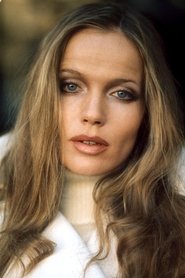
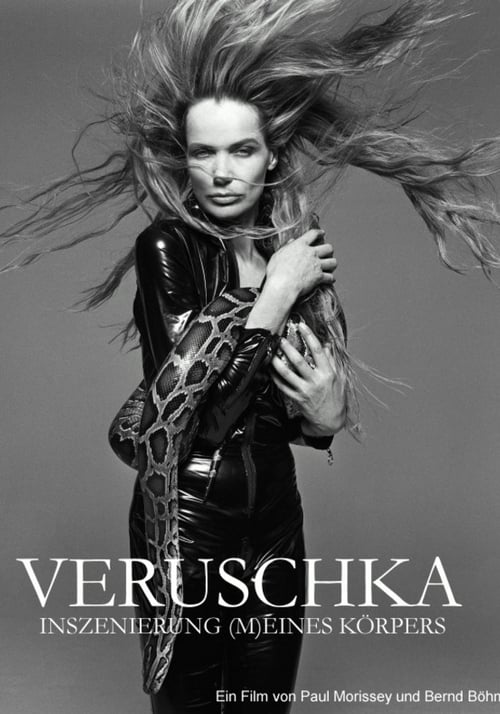
Vera von Lehndorff is a Prussian noblewoman and daughter of the Count Lehndorff, a leader of the anti-Nazi resistance, executed during WW II. She was discovered in 1959 by Italian photographer Ugo Mulas. After initial failure, she changed her name to Veruschka, became one of the first top models and was also considered for a long time one of the most beautiful women in the world. Muse to Antonioni in Blow up, and to Dalì, in the 1960s she was on the cover of magazines like Life, Vogue and Queen, and photographed by the most important talents of the time (Avedon, Newton). In 1965 she began working on "transfigurations", which would lead to body art, where make-up becomes real body painting: from cat-woman, to snake, plant, mineral, African idol and finally to an immortal metallic body (for Rubartelli, director of the films Stop Veruschka and Trülzsch) which survives the natural decay of objects over time.
Where to Stream


Streaming Availability & Discovery
Platform catalog indices and licensed providers for Veruschka: A Life for the Camera.
Narrative DNA Intelligence
Slow-Burn Atmospheric
6 / 10
Resonant Resolution
Cinematic Narrative
Calculated narrative telemetry highlights notable thematic precision within Documentary. With an established critical baseline of 6.0/10, the plot emphasizes slow-burn atmospheric pacing paired with an ending characterized by resonant resolution.
Low
Engagement barrierStandard Rhythmic Build
Story velocityHigh (Layered Nuances)
Hidden layers"Maintain active attention during the pivotal turning points. The narrative progression hinges on subtle thematic cues established in the first two acts before converging in the climax."
Spoiler Vault: Ending Decryption
Classified Climax & Ambiguity Breakdown
Contains complete plot revelations, climax analysis, and hidden clues for Veruschka: A Life for the Camera. Proceed only if you have watched the finale.