I Lived under Thirty Two Names
Narrative Synopsis
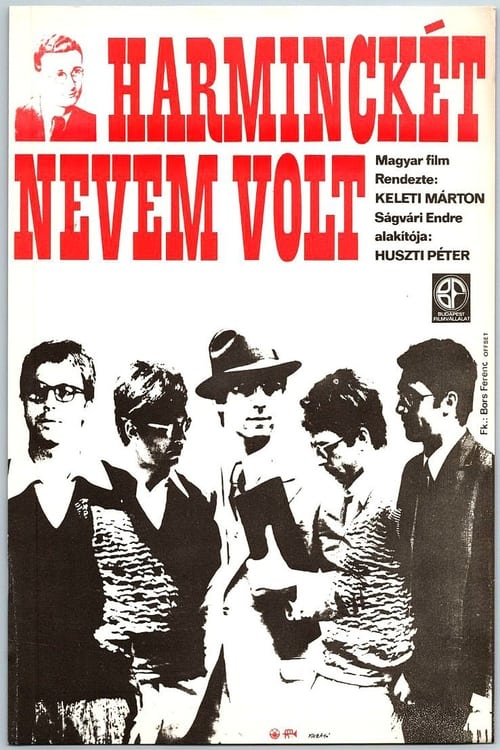
The film, paying a tribute to the memory of Endre Ságvári, a Communist hero, goes back to the summer of 1944. Through Colonel Gombos-Götz who has recognised that the Nazi-Germans will be ultimately defeated, Ságvári, the leader of the Young Communist Workers' Association asks Csiszár, the commander of the barracks in Andrássy street to provide him with guns to help release the Communist prisoners in Tata.
Streaming Availability & Discovery
Platform catalog indices and licensed providers for I Lived under Thirty Two Names.
Narrative DNA Intelligence
Slow-Burn Atmospheric
7 / 10
Emotionally Piercing
Emotionally Grounded
Calculated narrative telemetry highlights notable thematic precision within Drama. With an established critical baseline of 7.0/10, the plot emphasizes slow-burn atmospheric pacing paired with an ending characterized by emotionally piercing.
Low
Engagement barrierStandard Rhythmic Build
Story velocityHigh (Layered Nuances)
Hidden layers"Maintain active attention during the pivotal turning points. The narrative progression hinges on subtle thematic cues established in the first two acts before converging in the climax."
Spoiler Vault: Ending Decryption
Classified Climax & Ambiguity Breakdown
Contains complete plot revelations, climax analysis, and hidden clues for I Lived under Thirty Two Names. Proceed only if you have watched the finale.